




Category: News Alert
NEWS ALERT: Idaho Adds Another MCI® Admixture to its QPL!
NEWS ALERT: Add Flash Rust Prevention to Your Parts Washer!
NEWS ALERT: Here Come EVs with More Computer Chips! Use This for Maintenance
NEWS ALERT: Filling in the Gaps of Cased Pipeline Corrosion Protection
NEWS ALERT: How to Select the Best Cortec® Rust Preventative for Your Needs
NEWS ALERT: Pelješac Bridge Wins Prestigious Engineering Award!
NEWS ALERT: Updated Auto Brochure Tackles Rust Prevention in EV Industry
NEWS ALERT: Hydrotesting: What’s the Right Corrosion Inhibitor for Your Job?
NEWS ALERT: Why Use Cortec® VpCI® Primers?
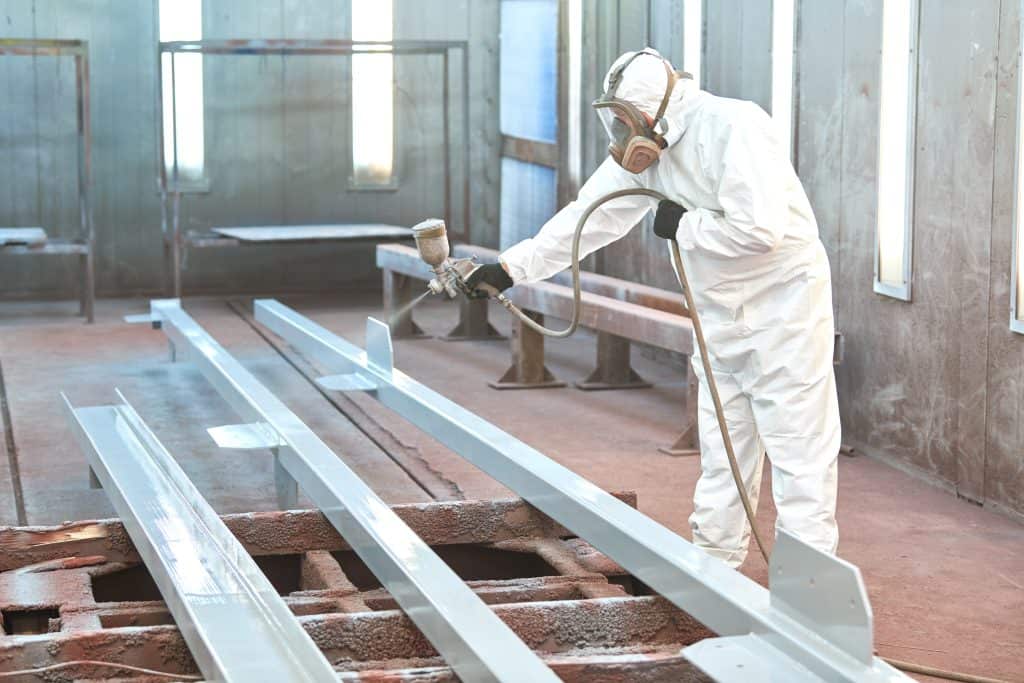
A primer is a great addition to any coatings system wherever time and budgets allow. When it comes to painting metal, Cortec® VpCI® primers are a great choice for coating adhesion and corrosion protection.
VpCI® Primers and Adhesion
One of the main purposes of a primer is to get good adhesion so the final topcoat sticks firmly to the surface below. While most Cortec® Coatings can be applied direct-to-metal, applying one or two coats of primer first makes the system even stronger. VpCI®-375 is a fast-drying thixotropic coating that can be used as a base layer on carbon steel and copper. Other metals such as aluminum, stainless steel, and galvanized steel are more difficult for coatings to adhere to and should be primed with VpCI®-373 wash primer to help subsequent primer/topcoat layers stick to the metal.
VpCI® Primers and Corrosion Protection
Another important reason for using VpCI® primers is corrosion protection. While other metal primers could theoretically be used with a VpCI® topcoat, it would not allow the VpCI® corrosion inhibitors to have direct access to the metal surface. Using a VpCI® primer gets Cortec® corrosion inhibitors as close to the metal surface as possible and is therefore an ideal foundation to a Cortec® Coatings system.
Get VpCI® Directly to the Surface
Cortec® Coatings offer the flexibility of choosing the convenience of a one-coat water-based system or the enhanced protection of a multi-coat VpCI® primer/topcoat system. Whenever time and budget allow, go for the best protection by getting VpCI® primer directly to the surface. Contact Cortec® for specific project recommendations.
Keywords: paint for metal, metal primers, corrosion inhibitors, corrosion protection, how to get good coating adhesion, Cortec Coatings, VpCI, painting best practices, how to choose a coating, why use primer
For a PDF version please click here.