PRESS RELEASE: How to ‘Automatically’ Improve Wastewater Treatment Efficiency with BCL6000™!

August 16, 2023

Wastewater Treatment Efficiency with BCL6000

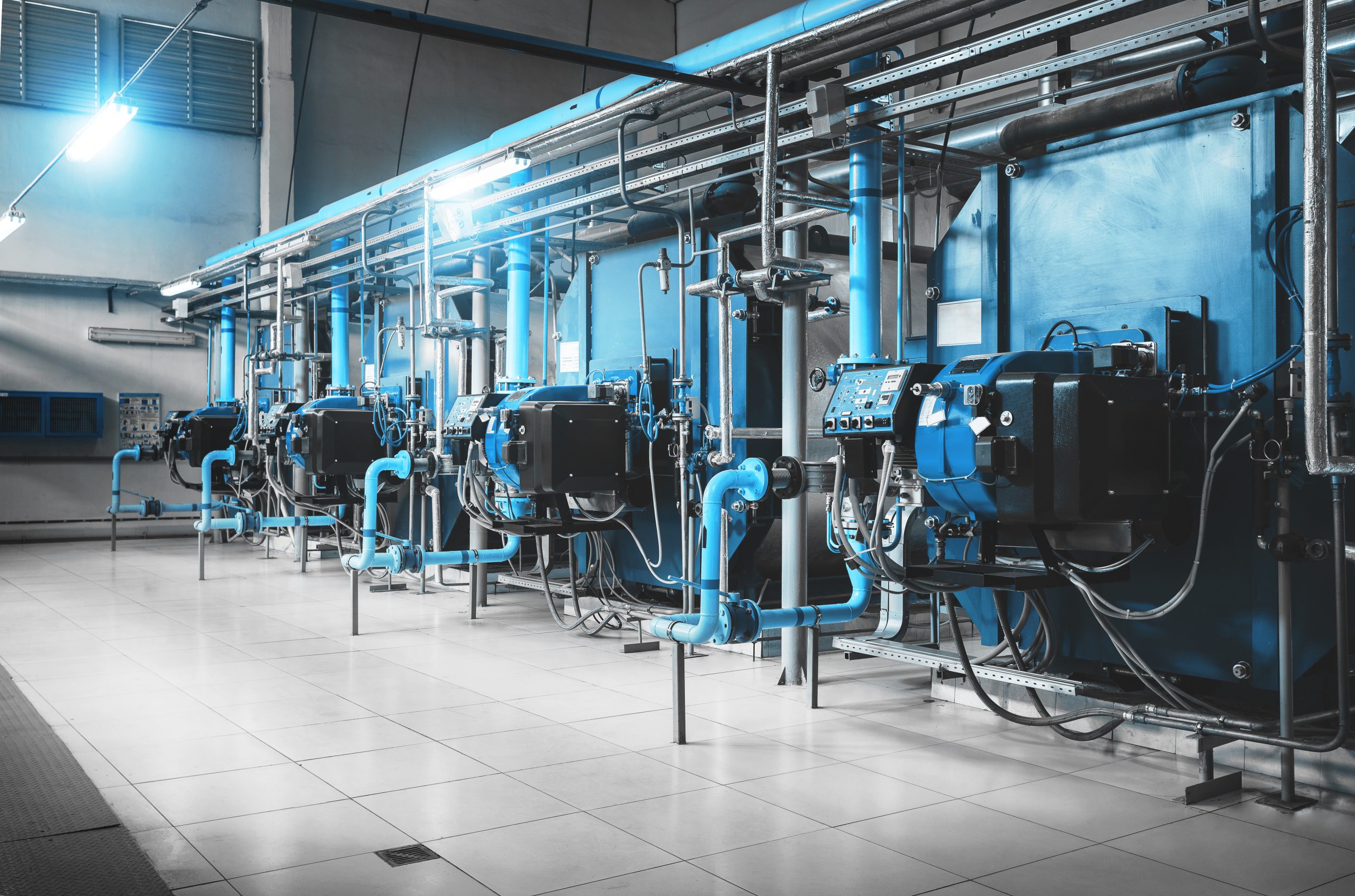
It can be difficult to manage a wastewater treatment plant. Plant upsets may come without warning, and the naturally existing microbial colony may not be able to keep up with sudden influxes of heavy organic loading. Bionetix® International is here to help wastewater treatment plants bring effluent back into healthy balance and keep it that way through the automatic application of its new BCL6000™.

A Convenient Path to Better Wastewater Management

BCL6000™ is a blend of aerobic and facultative anaerobic microorganisms in liquid form. It is effective in degrading many types of waste and is especially convenient for ongoing maintenance because it can be applied by automatic pumping. BCL6000™ improves treatment plant performance while keeping odors, BOD, and foam in check. The main benefits can be summarized as follows:

  • Better effluent quality
  • Lower BOD
  • Fewer unpleasant odors
  • Reduced plant upsets from shocks
  • Improved sludge settling

How BCL6000™ Works

BCL6000™ combines multispore bacteria with free enzymes, nutrients, and a source of oxygen. Together, these components work to enhance the natural biodegradation capabilities of a wastewater treatment environment. Under normal wastewater conditions, standard biological treatment relies on existing microorganisms in the wastewater to digest waste compounds into small particles, biodegrading the effluent until it is safe to be released to the environment. However, sometimes a sudden influx of new waste materials can throw the microbe-to-organics ratio out of balance. This is represented by an increase in BOD (biological oxygen demand), a measure of the amount of oxygen needed to biodegrade the volume of organic waste present. High and low temperatures or limited oxygen can also upset normal wastewater treatment plant processes. Side effects of these problems may include unpleasant odors, foam, and greater sludge buildup over time.

Bioaugmentation and Biostimulation for Costs Savings

BCL6000™ helps bring the system back into balance by adding microbial reinforcements (bioaugmentation) and nutritional supplements (biostimulation) that improve the performance of those microorganisms. For example, enzymes help microorganisms speed up the digestion process. Nutrients encourage healthier microbial growth for more efficient reproduction and biodegradation, increasing the number of microbial “workers” in the wastewater. Having an oxygen source also ensures that the microorganisms can continue working even in low oxygen environments without immediately reverting to the high-odor process of anaerobic digestion. This greater efficiency also translates into less sludge buildup, decreasing the frequency of sludge dredging and saving significant costs.

Automatic Metering in Biological Units

After a plant upset, a shock dose of BCL6000™ is a great way to get the wastewater system back into balance. Thereafter, BCL6000™ is ideal for ongoing maintenance as a liquid product that can be automatically metered into the wastewater. BCL6000™ can be used in aerated, facultative, and anaerobic lagoon systems; trickling filters; rotating biological contactors; aerobic digesters; sequencing batch reactors; moving bed biofilm reactors; and other biological units.

A Reliable Workforce

Wastewater treatment plant management can be a difficult juggling act with many unpredictable and uncontrollable aspects. BCL6000™ can help smooth out those inconsistencies through bioaugmentation and biostimulation. In effect, dosing BCL6000™ is like having a steady stream of efficient workers to keep up with the extra workload. Contact Bionetix® to learn more about this great new bioaugmentation blend for healthy wastewater plants!

Keywords: wastewater treatment, organic loading in wastewater treatment, wastewater treatment plant upset, BOD problems in wastewater, Bionetix, aerobic digestion, wastewater lagoon treatment, how to improve sludge settling, reduce bad odor in wastewater, bioaugmentation

Need a High-Resolution Photo?  Please Visit: www.cortecadvertising.com

For a PDF version please click here.

PRESS RELEASE: Get More Efficient, Comprehensive Corrosion Protection with VpCI®-707 Fuel Additive!

August 7, 2023

VpCI®-707 Fuel Additive

Corrosion inside fuel tanks can lead to serious problems from leakage or corrosion products that clog the system. To make matters worse, the issue may be difficult to detect inside the hidden atmosphere. All too often, corrosion occurs in the headspace above the fuel where water condenses and fuel additives cannot reach. Cortec® VpCI®-707 changes that by delivering more comprehensive, efficient protection to the entire tank.

Cortec’s Newest Generation Fuel Additive

VpCI®-707 is Cortec’s newest generation fuel additive for protection of fuel systems from corrosion during operation, storage, or shipment. It effectively provides corrosion protection in the fuel system not only in direct contact with the treated fuel, but also in the vapor space above the fuel line. This is due to the presence of Vapor phase Corrosion Inhibitors that diffuse throughout enclosed voids and adsorb on metal surfaces as a protective molecular layer. VpCI®-707 also offers improved water handling and improved fuel stability.

How to Use VpCI®-707

The characteristics of VpCI®-707 make it suitable for day-to-day operation, intermittent operation, and storage. There are two main applications. One is to add VpCI®-707 directly to gasoline or diesel fuel in blending, storage, or vehicle tanks that are in use. This can be done at a dose of 0.02-0.2% per tank volume. Dry fuel storage tanks being shipped or stored can be fogged with VpCI®-707 concentrate, covering as much internal surface area as possible (although the vapors are also designed to protect surfaces to which it is not directly applied).

Fighting Corrosion on Tank Farms

Airports, gas stations, farms, and other facilities that have tank farms and/or store a large amount of fuel onsite can benefit from VpCI®-707 to minimize the amount of corrosion that occurs inside the tanks. Instead of relying on contact-only inhibitors, tank owners and managers can fight corrosion in all parts of the tank, including the vulnerable ceilings where moisture is more likely to condense and cause corrosion.

Corrosion Protection During Export

Another great use of VpCI®-707 is for the protection of fuel tanks in new trucks or heavy equipment being exported to other states or countries. During overseas transport, changes in temperature and humidity can cause condensation to build up inside the tanks, leading to corrosion by the time the equipment reaches its destination. Instead of opening the tank to find a shiny metal interior, the receiving workers may unscrew the fuel cap only to find corrosion spots inside—hardly the sight that manufacturers want customers to see on a new vehicle. One of the challenges with using traditional contact-only corrosion inhibitors is that the fuel tank must be filled as full as possible to get maximum protection. This can be dangerous and difficult during transport. It is often preferable to fill the fuel tanks with only enough fuel to drive the equipment up onto the flatbed or into the container and drive it off the trailer when it reaches the end user. VpCI®-707 makes this possible since it can be fogged into an almost empty tank to protect the entire void.

Other possible applications the following:

  • Equipment operating in harsh industrial or offshore environments
  • Generators or other equipment going into seasonal storage
  • Industrial plants going into temporary layup

Protect More with VpCI®-707

Fuel tank corrosion is nothing to play around with. The hazardous nature of fuel means that leakage should be avoided because of its polluting and flammable nature. VpCI®-707 helps by protecting areas of the tank that other corrosion inhibitors may not be able to reach and making it easy for manufacturers to leave less fuel in the tank during transport. Contact Cortec® to learn more about using VpCI®-707 in your application!
Keywords: fuel tank corrosion, fuel additives, corrosion inhibitors, corrosion protection during export, corrosion protection for generators, tank farm corrosion, tank farm management, Cortec, VpCI, oil and gas corrosion

Need a High-Resolution Photo?  Please Visit: www.cortecadvertising.com

For a PDF version please click here.